• video_typing_cover

    Lunar Robotically-Based Regolith Incorporated Construction

    LUNAR BRIC

    Simple Construction for a Challenging Environment

    lunar bric logo
  • video_typing_cover

    Lunar Robotically-Based Regolith Incorporated Construction

    LUNAR BRIC

    Simple Construction for a Challenging Environment
    Lunar BRIC logo

Our Mission

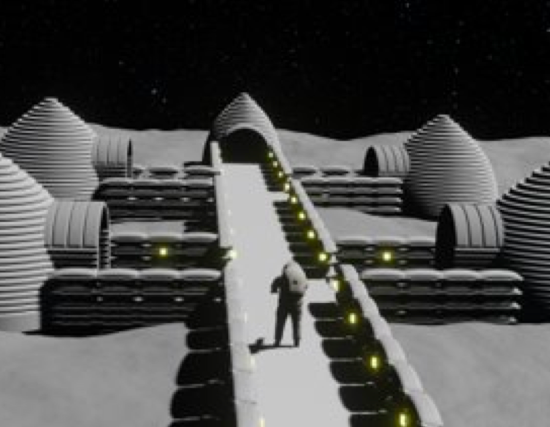
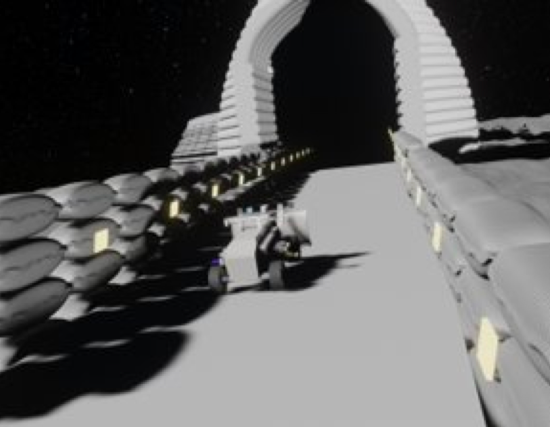
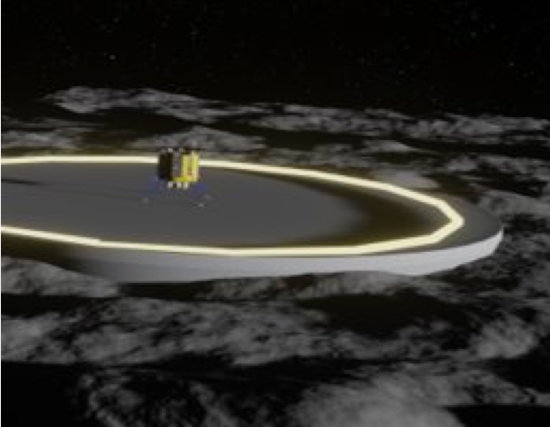
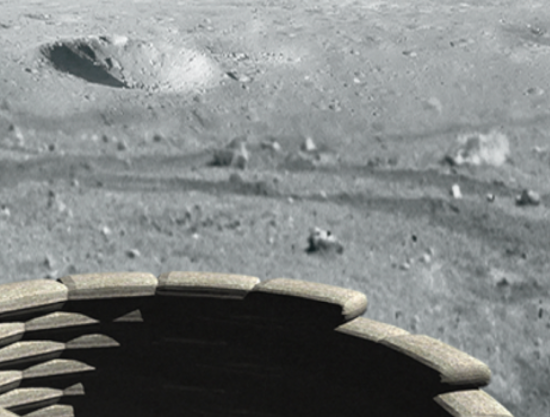
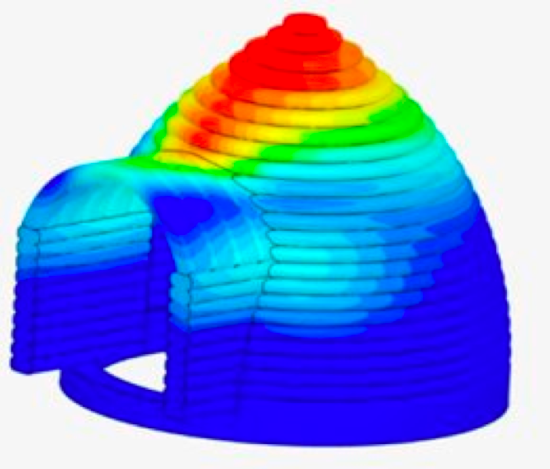
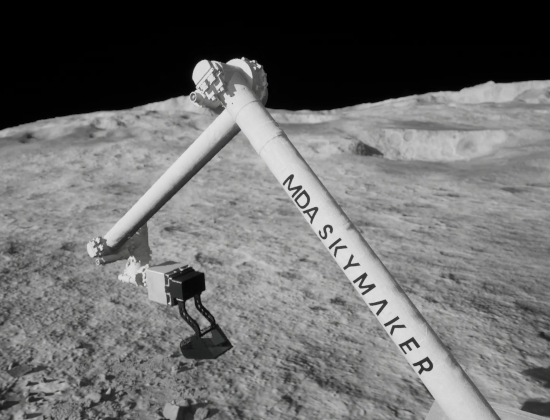
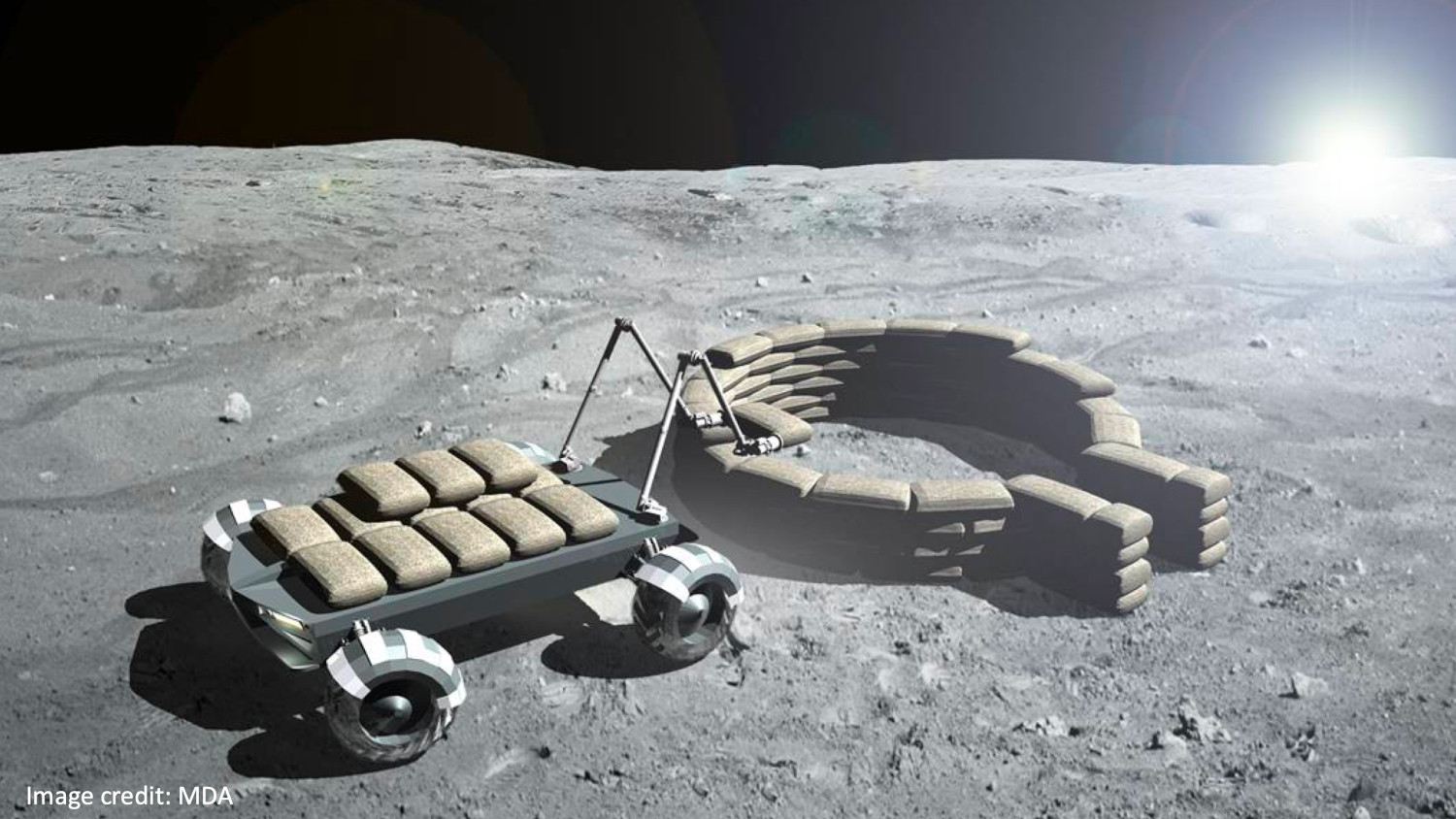
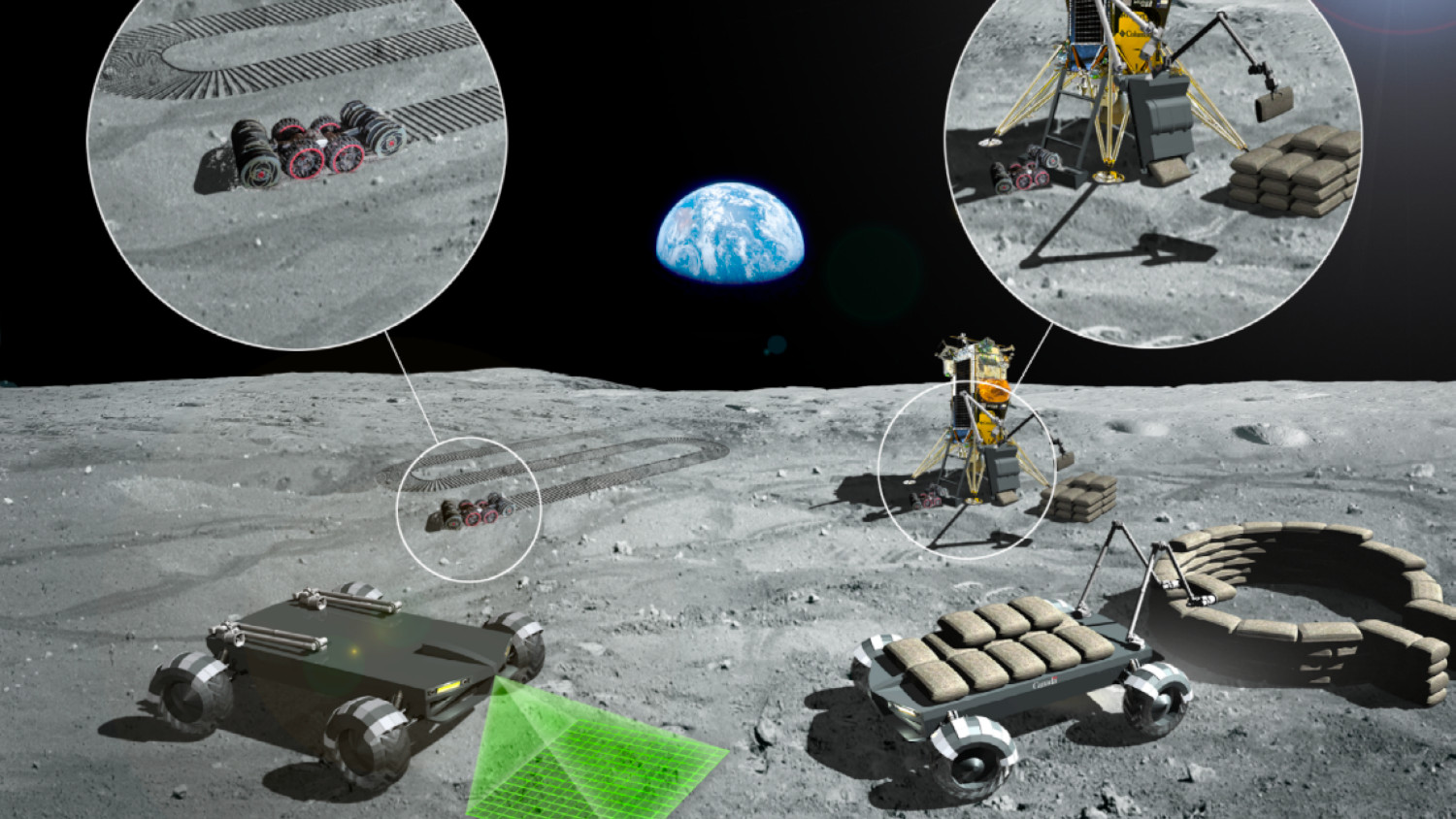
Lunar Robotically-Based Regolith Incorporated Construction (LUNAR BRIC) is a working group from NASA centres, Academia and Industry interested in pursuing ISRU-based technologies for the Lunar Surface. Research and technology developments are focused on enabling regolith filled bags as a modular construction unit for the larger Artemis base and beyond.

We have a diverse range of expertise including Robotics, Lunar Geology & Petrology, Optics, Geotechnical Engineering and Mission Design and our goal is to grow the Lunar Community for the use of regolith filled containment units (RCUs). We see this technology as but one piece in the Artemis base architecture, but one that will provide key support such as Radiation & Thermal Shielding, Base Illumination, Environmental Monitoring (through SmartBags), and Compute Protection .


Our Collaborators

Lead Institutions

Academic Institutions

NASA Centers

Private Industries

People with Big Ideas

Interdisciplinary Expertise in Engineering, Science and Exploration
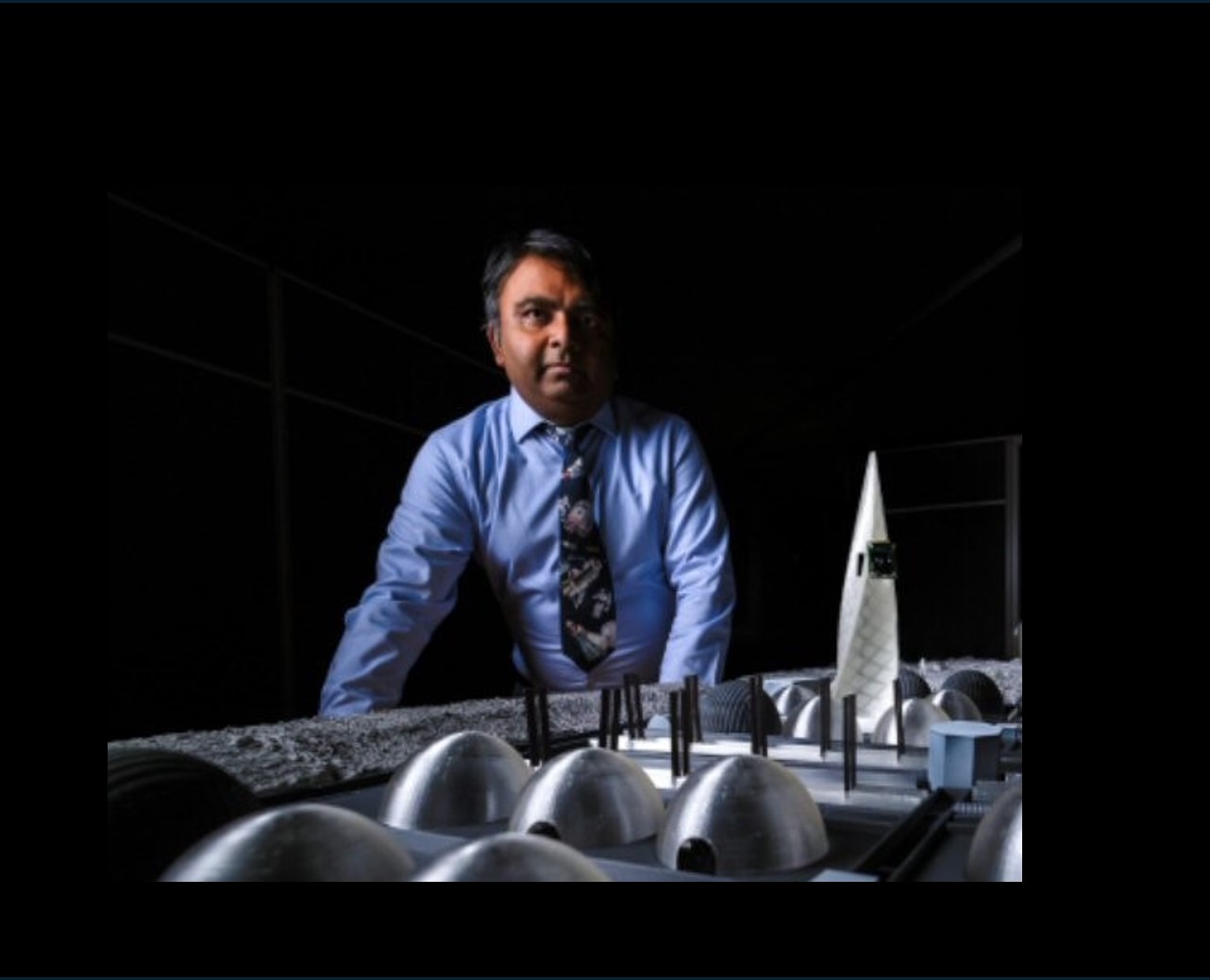
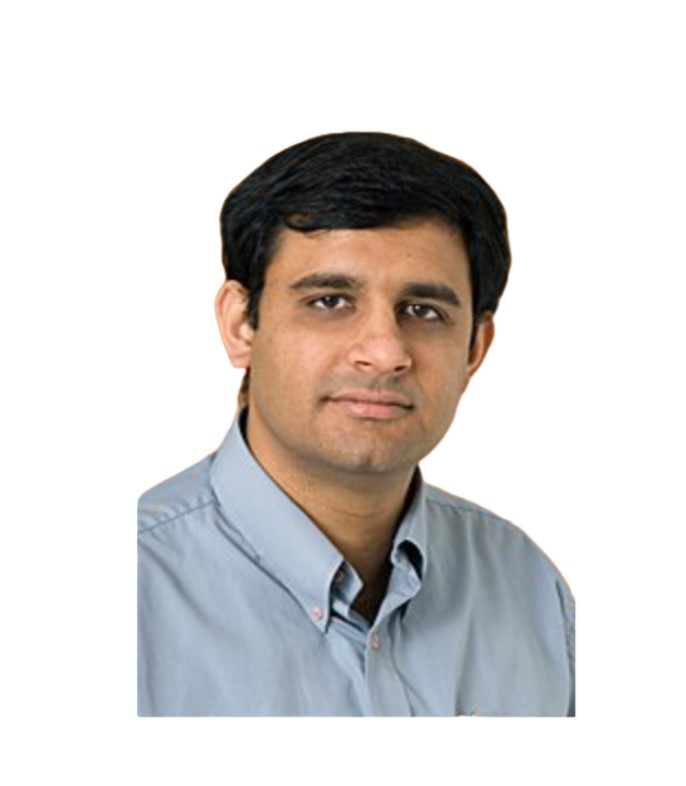
Dr. Jekan Thanga
Associate Professor, Aerospace & Mechanical Engineering at University of Arizona

Expertise  HTML icon
  • Space Systems Design
  • Neural Networks Dynamics and Control
  • Network Robotics and Control
  • PEM Fuel Cells
  • Hydrogen Storage
Research Interests  HTML icon
  • CubeSat Constellations
  • Machine Learning for Robot Design and Control
  • Extreme Environment Mobility Systems
  • Interplanetary CubeSat Propulsion
  • Inflatable Structures for Space
  • Mobile Power Supplies
  • Interplanetary CubeSat Missions
Bio  HTML icon
Professor Jekan Thanga has a background in aerospace engineering from the University of Toronto. He worked on Canadarm, Canadarm 2 and the DARPA Orbital Express missions at MDA Space Missions. Jekan obtained his Ph.D. in space robotics at the University of Toronto Institute for Aerospace Studies (UTIAS) and did a postdoc at MIT's Field and Space Robotics Laboratory (FSRL). Jekan is broadly interested in the exploration of space and extreme environments, using networks of robots, interplanetary CubeSats and smart sensors. His research focuses on developing enabling technologies, that spans system design, propulsion, networking and power to permit smart, fully autonomous operation for long durations. This is achieved through multidisciplinary optimization using a combination of conventional, adaptive and bio-inspired neuro-evolutionary methods resulting in high performance, unconventional design and control solutions that would otherwise not be envisioned by a human designer. His research covers the investigation of fundamental theoretical concepts with simulation using computational tools, culminating with field trials and deployment.

Dr. Rudra Mukherjee
Robotics Technologist at JPL

Expertise  HTML icon
  • In Space Servicing, Assembly, and Manufacturing
  • Robotics
  • Modeling and Simulation
Bio  HTML icon
Dr. Rudranarayan Mukherjee is a Research Technologist and Group Leader in the Robotics Modeling and Simulation group at the Robotics and Mobility Systems section at JPL. His primary role at JPL is to develop new technologies and find opportunities to apply them in flight missions. He was a two-term, elected member of the ASME International Technical Committee on Multibody Systems and Nonlinear Dynamics (TC-MSND) where he has been Program Chair for ASME IDETC 2015 and organizer of various symposia over the last 10 years. He enjoys, among other things, leading cross discipline technical teams, solving detailed and system level problems, formulating new concepts and implementing them, and finding resources to pursue good ideas.

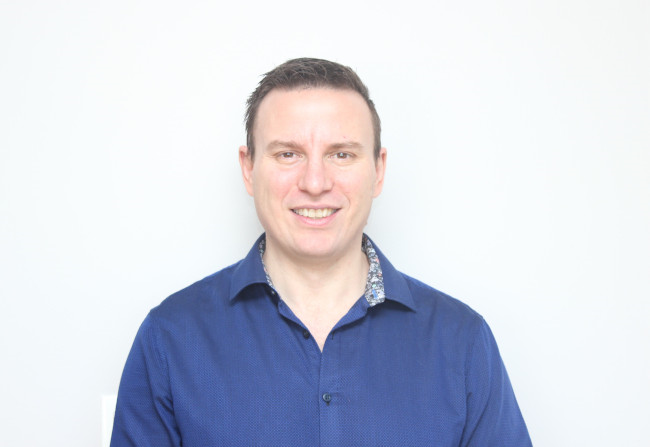
Dr. Cam Dickinson
Planetary Science and ISRU lead at MDA

Expertise  HTML icon
  • Planetary Exploration
  • ISRU Robotics and Construction
  • Mission Operations
Research Interests  HTML icon
  • Planetary Lidars
  • Cameras
  • Data Processing
Bio  HTML icon
Dr. Cam Dickinson work at MDA includes designing and developing scientific instruments for Planetary exploration. He is the technical lead for the OSIRIS Laser Altimeter, which reached the asteroid Bennu in fall of 2018, and returned a sample in 2023. He was also the technical lead for Replacement CAMeras on the International Space Station (RCAM). Most recently, he is the Vision System Architect for Canadarm3, and am working on upcoming Planetary Missions (Such as OSIRIS APEX), and several ISRU pursuits relating to lunar construction.

Sivaperuman Muniyasamy
University of Arizona

Ketan Vasudeva
University of Toronto Institute for Aerospace Studies

Tate Del Rizzo
Queen’s University

Megan Montano
Embry-Riddle Aeronautical University

JuliaEmpey
University of Waterloo

Josh Blanchard
McMaster University

Samuel Crane
McMaster University

Ryan Ferri
McMaster University

Ryan Theriault
McMaster University

It is difficult to say what is impossible, for the dream of yesterday is the hope of today and the reality of tomorrow.

Robert Goddard

The probability of success is difficult to estimate; but if we never search the chance of success is zero.

Giuseppe Cocconi and Philip Morrison

Applications

Employing Regolith Containing Units (RCUs) for extreme environments.

Environmental
Surviving the Moon

LUNAR BRICS provides protection from Radiation, Temperature Extremes & Dust Impingement.

Monitoring
Measuring the Moon

LUNAR BRIC's SmartBags contain embedded technologies to measure a wide variety of factors.

Operations
Operating on the Moon

LUNAR BRICS can provide illumination services and protect sensitive electronics from the harsh Lunar environment.